Yes, Occupational Therapy can help children improve emotional regulation by supporting their sensory processing, body awareness, and coping skills. OT focuses on helping your child stay calm, recover from big emotions, and participate in daily activities more comfortably. Support works best when it is practical, consistent, and tailored to how your child experiences the world.
If your child has intense meltdowns, struggles to calm down, or reacts strongly to small changes, you are not alone. Many parents worry they are doing something wrong or that their child will simply “grow out of it.” This blog will help you understand what emotional regulation really is and how Occupational Therapy can support your child in everyday life.
What does emotional regulation actually look like in kids?
Emotional regulation is your child’s ability to notice, manage, and recover from emotions like frustration, excitement, anger, or anxiety.
In daily life, emotional regulation affects whether your child can:
- Handle transitions without distress
- Calm themselves after something goes wrong
- Cope with noise, crowds, or unexpected changes
- Participate in school, play, and family routines
When regulation is hard, emotions can feel overwhelming and unmanageable. This is not a behaviour problem. It is a skills gap.
Why do some children struggle with emotional regulation?
Emotional regulation is closely connected to how a child’s nervous system works.
Many children who struggle with regulation also experience:
- Sensory sensitivities to sound, touch, or movement
- Difficulty noticing body signals like hunger or fatigue
- Challenges with attention and impulse control
- Anxiety around unpredictability
This is especially common in neurodivergent children. A neurodiversity-affirming perspective recognises that these differences are part of how a child experiences the world, not something that needs to be fixed or suppressed.
How does Occupational Therapy help with emotional regulation?
Occupational Therapy helps by working on the foundations that support regulation.
Rather than focusing on emotions alone, OT supports:
- Sensory processing and tolerance
- Body awareness and movement needs
- Predictability and routine
- Coping strategies that match your child
Occupational therapists look at how your child functions across daily activities and help them build regulation skills in ways that actually work for them.
According to Occupational Therapy Australia, Occupational Therapy supports children to participate in everyday activities by addressing sensory, emotional, and functional needs together.
What does OT for emotional regulation look like day to day?
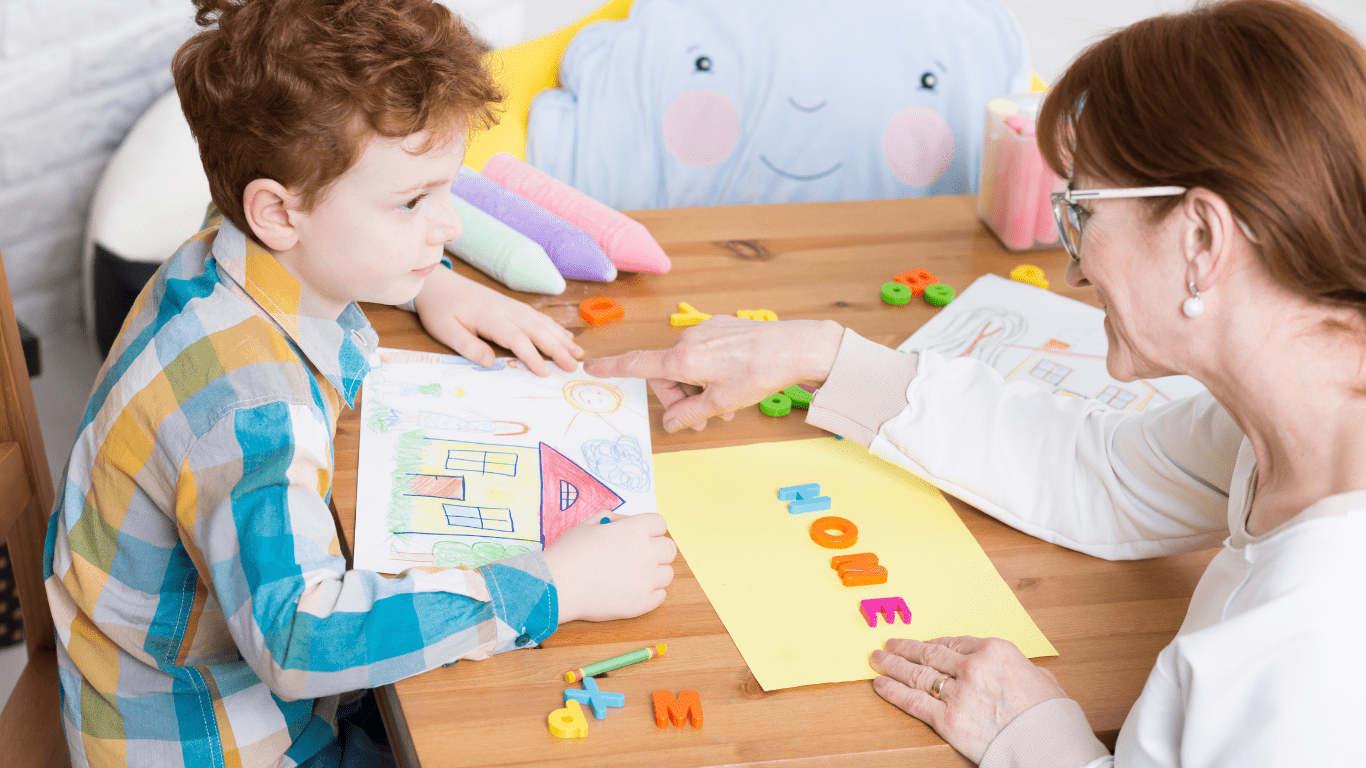
OT sessions are practical and child-centred.
Your child may work on:
- Movement activities that help calm or alert their body
- Sensory strategies to reduce overwhelm
- Recognising early signs of emotional escalation
- Using tools like deep pressure, movement breaks, or visual supports
Therapy does not look like sitting still and talking about feelings. It looks like play, movement, problem-solving, and practice within safe and supportive environments.
Parents are guided on how to use these strategies at home so support continues beyond the session.
Can Occupational Therapy help neurodivergent children regulate emotions?
Yes, and this is where OT is especially valuable.
For neurodivergent children, emotional regulation challenges often come from sensory overload, communication differences, or difficulty processing demands. OT supports regulation without trying to change who your child is.
At Advantage Therapy, Occupational Therapy is delivered using a neurodiversity-affirming approach. This means your child’s needs, preferences, and differences are respected while building skills that help them feel safer and more confident.
How does DIR support emotional regulation?
The DIR approach focuses on relationships, emotional connection, and individual differences.
When used alongside Occupational Therapy, DIR helps:
- Strengthen emotional connection between child and caregiver
- Build regulation through shared activities
- Support emotional development in a respectful way
This combination can be particularly helpful for children who struggle with flexibility, transitions, or emotional communication.
How long does Occupational Therapy take to help with emotional regulation?
There is no one-size-fits-all timeline.
Some children show early changes such as:
- Shorter meltdowns
- Faster recovery after upset
- Increased tolerance for challenging situations
Others need longer-term support to build regulation gradually. Progress is measured by how your child functions day to day, not how quickly emotions disappear.
Consistency and parent involvement make a significant difference.
When should parents consider Occupational Therapy?
You may want to consider Occupational Therapy if:
- Emotional outbursts feel intense or frequent
- Your child struggles to calm down without adult help
- Daily routines feel stressful or exhausting
- School or childcare reports regulation concerns
Trust your instincts. Early support helps children build skills before frustration becomes entrenched.
Where can families access Occupational Therapy support?
Advantage Therapy provides Occupational Therapy services for families in Norwest, The Hills Shire Council, and the wider Hills District. Support is tailored, practical, and focused on helping children participate more comfortably in daily life.
Occupational Therapy often works alongside Speech Therapy when communication challenges impact regulation and emotional expression.
What is the next step?
If emotional regulation is affecting your child’s wellbeing or your family’s daily life, Occupational Therapy can help.
Support is not about stopping emotions. It is about giving your child the tools to manage them in ways that feel safe and achievable.
If you are unsure whether OT is right for your child, starting with a conversation is a good first step.