Speech Therapy helps children improve social communication by teaching them how to interact, take turns, understand others, and express themselves clearly in real-life situations. It focuses on practical skills like conversation, understanding social cues, and staying connected with others. Early support makes social situations less stressful and more successful for children.
If your child can talk but struggles to make friends, join conversations, or cope in group settings, this blog is for you. Social communication difficulties are common and often misunderstood. The good news is that Speech Therapy can help in very practical, child-friendly ways.
What are social communication skills in simple terms?
Social communication skills are how your child uses language to connect with other people.
They include your child’s ability to:
- Start and end conversations
- Take turns when speaking
- Stay on topic
- Understand facial expressions, tone of voice, and body language
- Adjust how they speak depending on the situation
These skills matter just as much as vocabulary or pronunciation. Without them, children may feel isolated, misunderstood, or overwhelmed even if they speak clearly.
Why do some children struggle socially even if they can talk?
This is one of the most common parent questions.
Many children with social communication challenges:
- Speak in long sentences but struggle with back-and-forth conversation
- Miss subtle social cues
- Find group situations exhausting
- Feel anxious or frustrated around peers
These difficulties are often linked to how a child processes information, emotions, and sensory input. They are especially common in neurodivergent children and should be supported, not judged.
A neurodiversity-affirming approach recognises that children communicate differently and that support should build skills without trying to change who they are.
How does Speech Therapy help with social communication?
Speech Therapy focuses on how language is used in everyday life, not just how words sound.
Speech therapists help children learn how to:
- Listen and respond during conversations
- Share attention and ideas with others
- Understand what others might be thinking or feeling
- Repair communication when misunderstandings happen
Therapy breaks social interaction into learnable, manageable skills. Children are supported to practise these skills in ways that feel safe and achievable.
According to the American Speech-Language-Hearing Association, social communication is a core part of speech and language development and benefits from targeted intervention when children are struggling.
What does Speech Therapy for social skills actually involve?
Speech Therapy sessions are interactive and child-centred.
Your child may work on:
- Turn-taking through games and play
- Recognising emotions using stories and visuals
- Practising conversation starters and endings
- Understanding jokes, figurative language, or tone changes
- Navigating group conversations
Therapy is practical and meaningful. Children are never forced to perform socially. The focus is on building confidence and understanding, not masking or copying others.
Parents are shown how to support these skills at home so progress continues beyond sessions.
How does DIR support social communication development?
The DIR approach focuses on emotional connection, relationships, and individual differences.
When Speech Therapy is supported by DIR principles, children benefit from:
- Stronger emotional engagement
- Increased motivation to communicate
- Learning social skills through relationships rather than scripts
DIR helps children feel safe and connected, which makes communication growth more natural and sustainable.
Can Speech Therapy help with social communication at school?
Yes, and this is often where challenges become most visible.
Social communication difficulties at school may look like:
- Struggling with group work
- Difficulty making or keeping friends
- Misunderstanding classroom discussions
- Emotional exhaustion after school
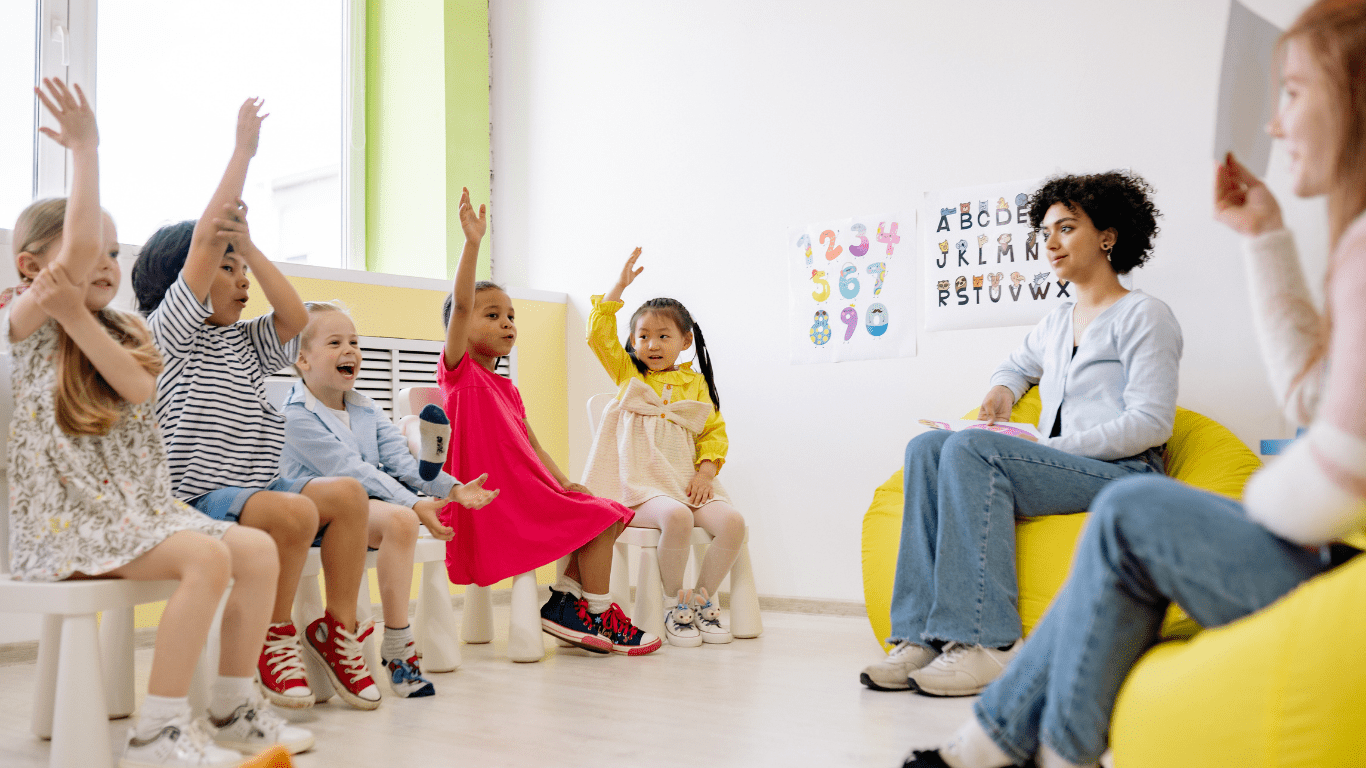
Speech Therapy helps children understand social expectations and develop strategies they can use in classrooms, playgrounds, and group activities. When appropriate, therapists can also support collaboration with educators to improve consistency across environments.
How long does Speech Therapy take to improve social communication?
There is no fixed timeline.
Progress may look like:
- Increased confidence in conversations
- Reduced anxiety in social situations
- Better understanding of others
- Fewer communication breakdowns
Speech Therapy focuses on meaningful, long-term skills rather than quick fixes. Consistency, individualised goals, and parent involvement all influence progress.
When should parents consider Speech Therapy?
You may want to consider Speech Therapy if:
- Your child struggles to connect with peers
- Social situations lead to anxiety or meltdowns
- Teachers raise concerns about interaction or participation
- Your child feels misunderstood or isolated
Early support helps prevent frustration from becoming entrenched and supports positive social development.
Where can families access Speech Therapy support?
Advantage Therapy provides Speech Therapy services for children and families in Norwest, The Hills Shire Council, and the wider Hills District. Therapy is delivered in a calm, respectful, and neurodiversity-affirming way that values each child’s unique communication style.
Speech Therapy often works alongside Occupational Therapy when regulation or sensory needs impact communication and participation.
What should parents do next?
If your child is finding it hard to connect or communicate socially, Speech Therapy can help.
Social communication skills can be learned and strengthened with the right support. With guidance, children gain confidence, build relationships, and feel more comfortable expressing themselves.
If you are unsure whether Speech Therapy is right for your child, starting with a conversation is a positive first step.