If your child becomes overwhelmed by noise, touch, movement, or busy environments, you might be wondering one main thing: how can occupational therapy actually help my child manage sensory overload in daily life?
The short answer is: occupational therapy helps children understand their sensory needs, regulate their responses, and build practical coping skills so everyday situations feel safer and more manageable.
At Advantage Therapy, we support families across Norwest in The Hills Shire Council and the wider Hills District by helping children feel calmer, more confident, and more in control of their bodies and emotions.
What is sensory overload and why does it affect some children more?
Sensory overload happens when a child’s nervous system receives more sensory input than it can comfortably handle. This might include loud sounds, bright lights, crowded spaces, certain textures, or constant movement.
When this happens, a child may:
- Cover their ears or eyes
- Avoid touch or certain clothing
- Become upset, withdrawn, or overwhelmed
- Have meltdowns that seem sudden or hard to explain
Sensory overload is common in neurodivergent children, including autistic children and those with ADHD, but it can affect any child. The important thing to understand is that these reactions are not behavioural problems. They are signals that the nervous system needs support.
How does occupational therapy help with sensory overload?
Occupational therapy focuses on helping children participate in everyday activities like learning, playing, dressing, and socialising. When sensory overload gets in the way, an occupational therapist works with the child and family to understand what is happening and why.
Rather than trying to remove all sensory challenges, occupational therapy helps children:
- Recognise how their body responds to sensory input
- Develop strategies to stay regulated
- Build tolerance gradually and safely
- Feel confident navigating real-world environments
This support is practical, personalised, and based on how your child experiences the world.
What happens during OT sessions for sensory regulation?
Occupational therapy sessions are not about forcing children to tolerate uncomfortable sensations. Sessions are child-led, playful, and respectful.
Your child’s OT may use:
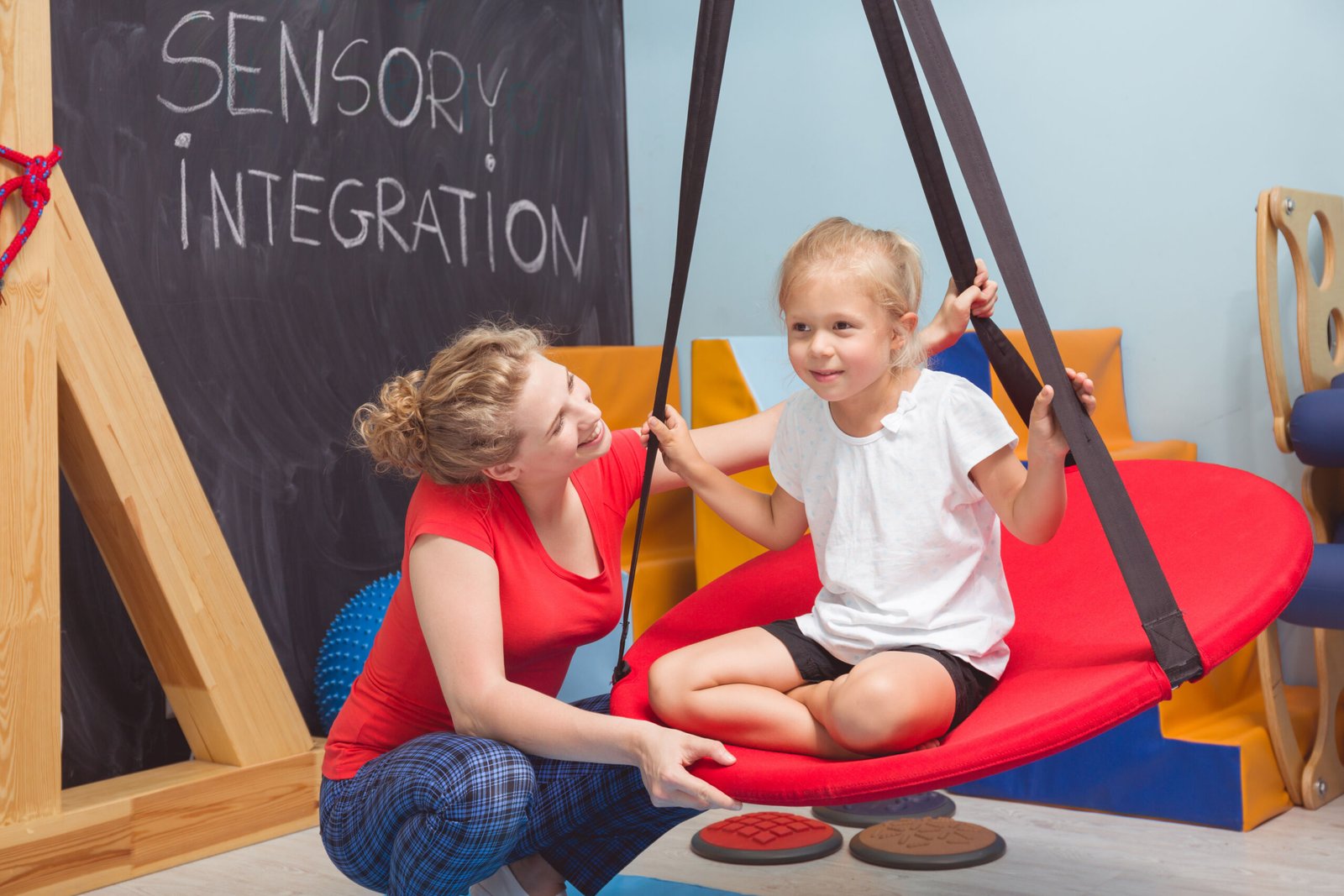
- Movement-based activities to support body awareness
- Play and games that gently explore different sensory experiences
- Calming strategies like deep pressure, breathing, or rhythm
- Structured routines that help the nervous system feel safe
You are not left out of the process. Parents are guided on how to support sensory regulation at home, at school, and in everyday routines.
How does OT help children feel calmer in everyday situations?
One of the biggest benefits of occupational therapy is that skills learned in sessions transfer into daily life. Over time, children begin to feel more in control of their reactions.
Occupational therapy can help children:
- Stay calmer in noisy classrooms or busy shops
- Cope better with transitions and changes
- Tolerate clothing, grooming, and food textures
- Recover more quickly when overwhelmed
These changes often start small, but they add up to meaningful improvements in confidence and independence.
How is occupational therapy different from just avoiding triggers?
It can be tempting to avoid situations that cause distress, but complete avoidance can limit a child’s world. Occupational therapy takes a different approach.
Instead of avoidance, OT focuses on:
- Understanding the child’s sensory profile
- Adjusting environments where needed
- Teaching coping strategies that empower the child
- Supporting gradual exposure in a safe, supported way
This approach helps children build resilience without overwhelming them.
How does OT work alongside speech therapy and DIR Floortime?
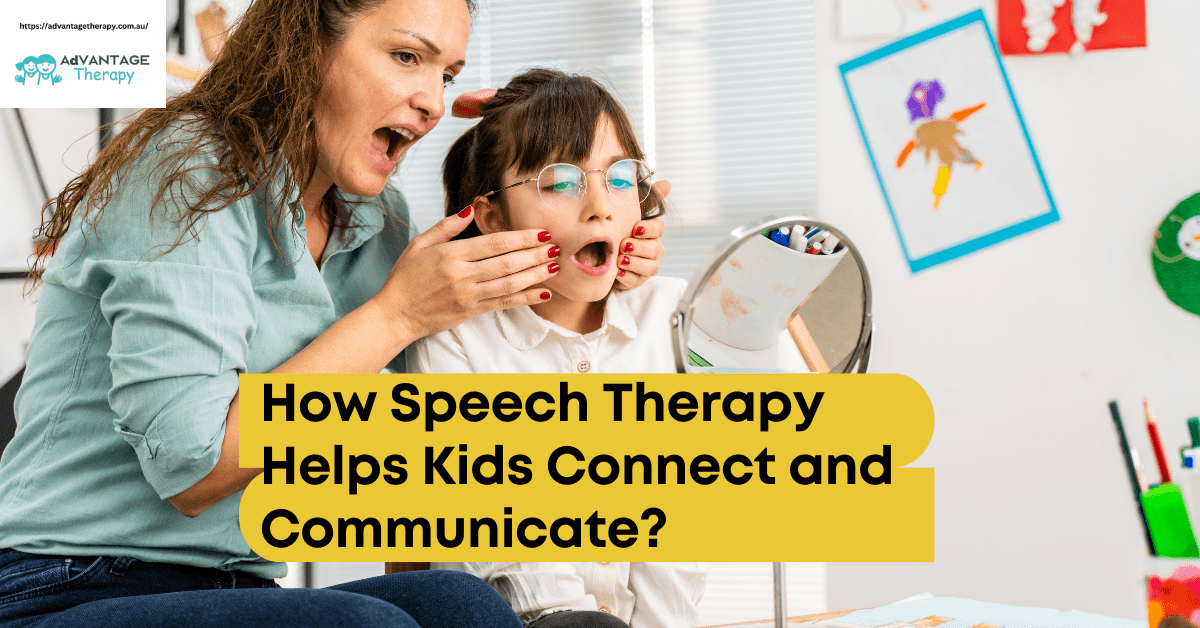
Many children who experience sensory overload also benefit from speech therapy and relationship-based approaches like DIR Floortime.
Occupational therapy supports the sensory and emotional foundation that makes communication and connection easier. When a child feels regulated, they are more available for learning, talking, and interacting.
At Advantage Therapy, OT often works closely with speech therapy and DIR-based strategies to support the whole child, not just one area of development.
What can parents do at home to support sensory regulation?
A big part of occupational therapy is empowering parents. You do not need expensive equipment or complex routines to make a difference.
Your OT may guide you to:
- Create predictable daily routines
- Use simple calming activities before challenging tasks
- Offer choices that respect sensory preferences
- Recognise early signs of overload and respond early
These small changes can reduce stress for both you and your child.
Is occupational therapy evidence-based for sensory challenges?
Yes. Occupational therapy for sensory regulation is grounded in research and clinical practice. According to the American Occupational Therapy Association, OT plays a key role in helping children participate in daily activities by supporting sensory processing, emotional regulation, and functional skills.
What matters most is that therapy is individualised and focused on real-life outcomes, not just clinic-based activities.
When should you consider occupational therapy for sensory overload?
You might consider OT if your child:
- Avoids everyday activities due to sensory discomfort
- Becomes easily overwhelmed in busy environments
- Struggles with transitions, routines, or emotional regulation
- Finds school or social situations exhausting
Early support can make a significant difference, but occupational therapy can help at any stage of childhood.
How Advantage Therapy supports children and families
At Advantage Therapy, we believe sensory differences are not something to fix, but something to understand and support. Our occupational therapists work closely with families to create practical, respectful strategies that fit your child’s life.
We support families across Norwest, The Hills Shire Council, and the wider Hills District with therapy that is child-led, neurodiversity-affirming, and focused on meaningful progress.
If you are wondering whether occupational therapy could help your child manage sensory overload, a conversation is a great first step. Contact Us today!