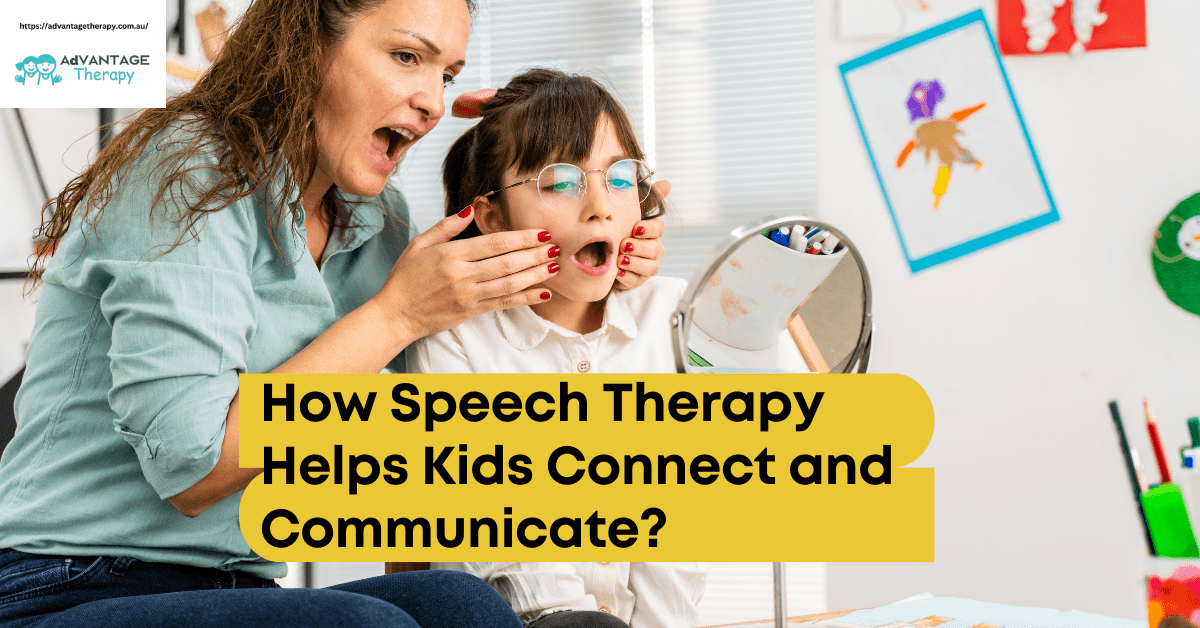
Speech therapy helps children develop social communication skills by teaching them how to understand others, express themselves clearly, and participate in everyday interactions. It focuses on real-life skills like taking turns, understanding social cues, and building meaningful connections. Early, targeted support makes social situations easier and less overwhelming for kids.
What are social communication skills and why do they matter so much?
Social communication skills are the skills your child uses to connect with others. This includes how they:
- Start and end conversations
- Take turns when speaking
- Understand facial expressions and tone of voice
- Use language appropriately in different situations
These skills affect friendships, learning, emotional regulation, and confidence. When social communication is hard, children may seem shy, anxious, bossy, withdrawn, or easily misunderstood.
Speech therapy helps children learn how communication works in the real world, not just how to say words correctly.
How can speech therapy help my child connect with others?
Speech therapy supports social communication by breaking complex interactions into skills your child can actually learn and practice.
In speech therapy, your child learns how to:
- Notice what others are doing or saying
- Respond appropriately in conversations
- Stay on topic without scripting or repeating
- Repair communication when misunderstandings happen
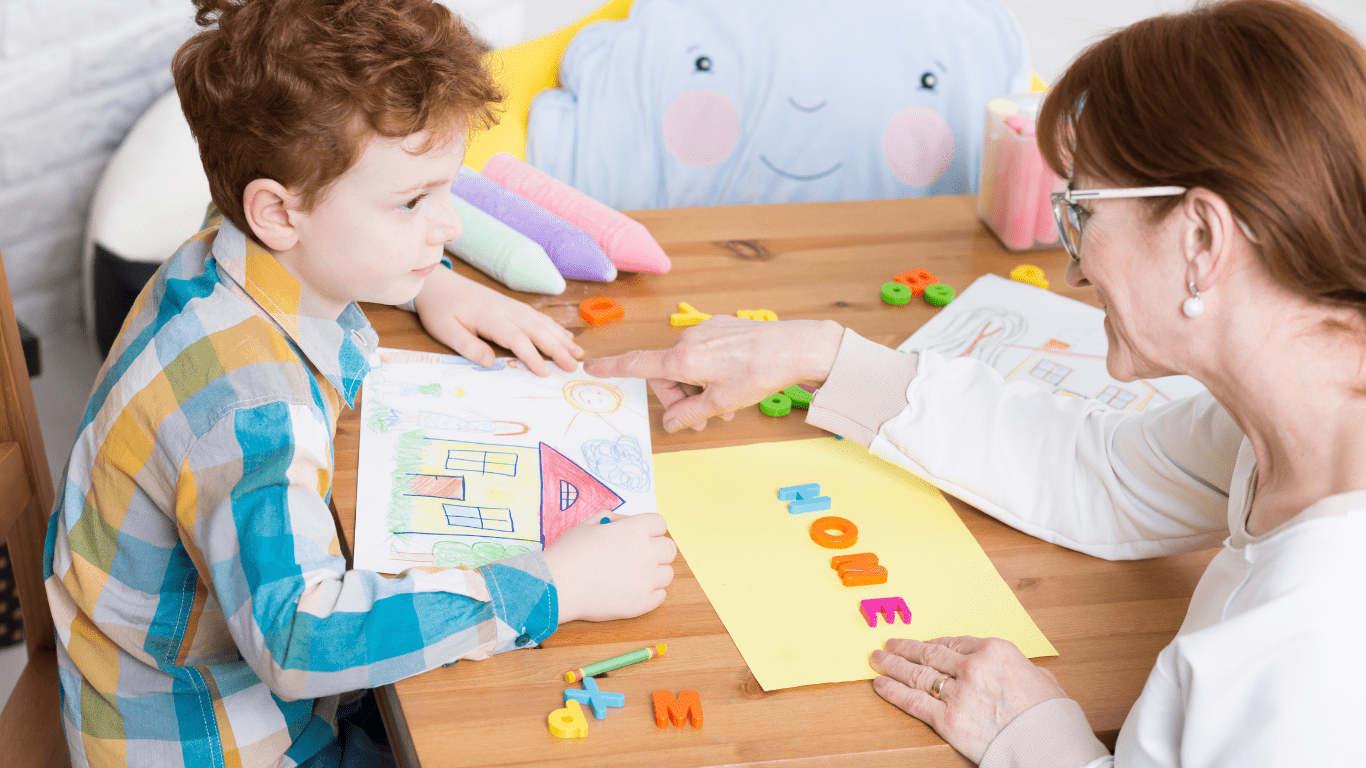
Therapy is practical and interactive. Children practice these skills through play, role-play, stories, and real-life scenarios rather than worksheets or drills.
What social communication challenges do kids commonly struggle with?
Many children struggle socially for different reasons. Speech therapy supports children who:
- Talk a lot but struggle to have back-and-forth conversations
- Have difficulty making or keeping friends
- Miss social cues like body language or tone
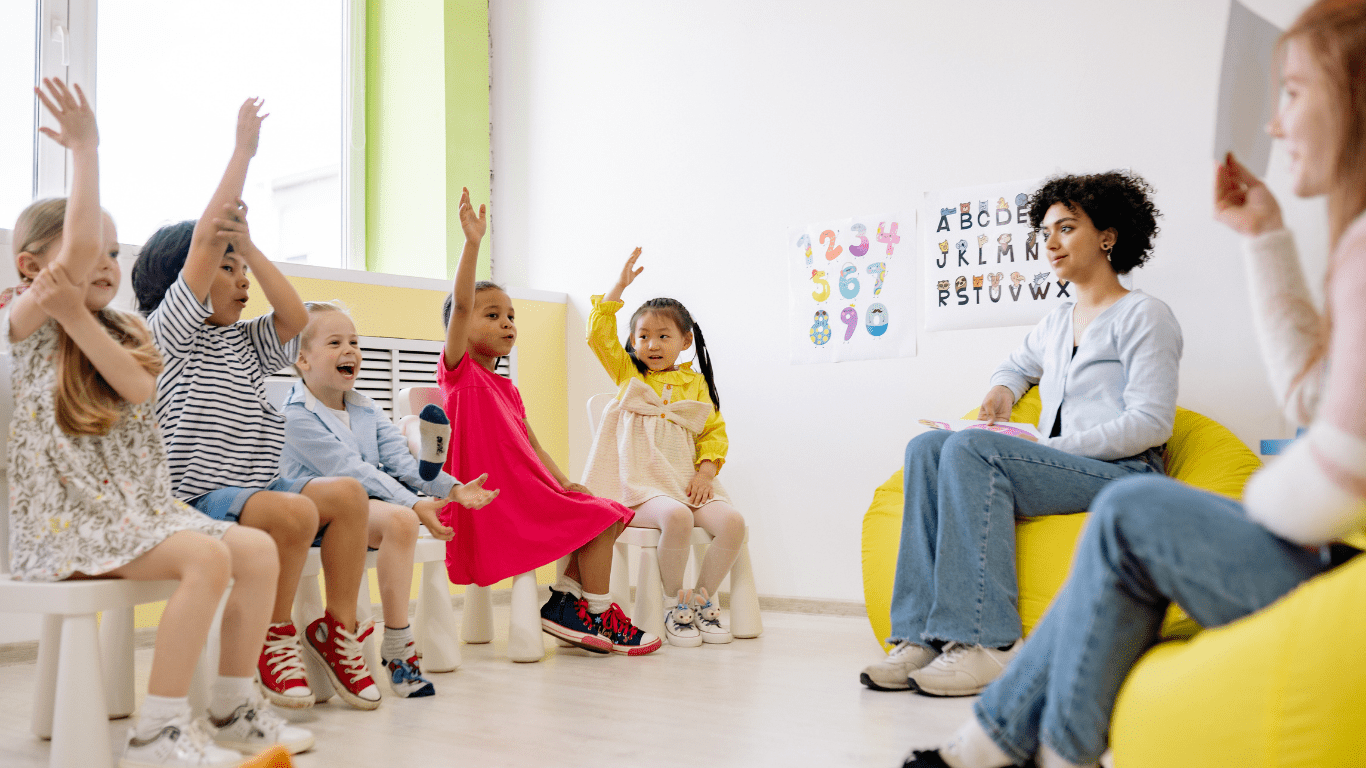
- Struggle with group settings or play
- Become frustrated or anxious during social interactions
These challenges are common in neurodivergent children but can also occur in children without a formal diagnosis.
Speech therapy focuses on supporting communication differences, not changing who your child is.
Is social communication part of speech therapy or something else?
This is a common parent question.
Social communication is a core part of Speech Therapy. It goes beyond pronunciation and vocabulary and focuses on how language is used in everyday life.
Speech therapists are trained to support:
- Pragmatic language skills
- Social understanding
- Conversational skills
- Perspective-taking
According to the American Speech-Language-Hearing Association, social communication is a key area of speech and language development and benefits from targeted therapy when children are struggling.
What does speech therapy for social communication actually look like?
Speech therapy sessions are structured but flexible.
Your child may work on:
- Turn-taking through games
- Reading emotions using pictures and stories
- Practicing conversation starters and endings
- Understanding jokes, sarcasm, or figurative language
- Navigating group conversations
Therapy is child-led where possible and always respectful. The goal is to build confidence, not force social behavior.
Parents are often shown how to support these skills at home so progress continues outside sessions.
Can speech therapy help if my child struggles socially at school?
Yes, and this is one of the most common reasons families seek support.
Social communication difficulties can lead to:
- Isolation or bullying
- Difficulty following classroom discussions
- Challenges with group work
- Emotional meltdowns after school
Speech therapy helps children understand social expectations and gives them strategies to cope in busy environments like classrooms and playgrounds.
When needed, speech therapists can collaborate with teachers and other professionals to support consistency across settings.
How does Occupational Therapy fit with social communication support?
Social communication is closely linked to regulation and sensory processing.
If your child struggles with attention, emotional regulation, or sensory sensitivities, Occupational Therapy can support the foundations that make communication easier.
Speech Therapy and Occupational Therapy often work together to help children:
- Stay calm enough to engage socially
- Tolerate group environments
- Participate in play and learning
You can explore Occupational Therapy support through Advantage Therapy, alongside Speech Therapy, for a holistic and neurodiversity-affirming approach.
What can parents do at home to support social communication?
Parents play a powerful role.
Helpful strategies include:
- Modeling how to take turns in conversation
- Talking through social situations before and after they happen
- Naming emotions and social cues out loud
- Giving your child time to respond without rushing
Speech therapists guide parents on how to support communication naturally during play, routines, and family interactions.
Consistency at home makes therapy more effective.
How long does it take to see progress in social communication?
Progress looks different for every child.
Some children quickly become more confident in conversations. Others show progress through:
- Reduced anxiety in social settings
- Better understanding of others
- Fewer communication breakdowns
Speech therapy focuses on sustainable skills, not quick fixes. Growth is gradual but meaningful.
Where can families access social communication support locally?
Advantage Therapy provides Speech Therapy for children across Norwest, The Hills Shire Council, and the wider Hills District, with additional services available in Sydney CBD. Therapy is delivered with a calm, respectful, and neurodiversity-affirming approach.
Families can also explore developmental frameworks and supports through DIR-based approaches when social connection and relationships are a key focus.
What is the next step if you are concerned about your child?
If your child is struggling to connect, join conversations, or feel understood, Speech Therapy can help.
Social communication skills can be learned. With the right support, children gain confidence, build relationships, and feel more comfortable being themselves.
If you are unsure whether Speech Therapy is right for your child, starting a conversation is the first step.