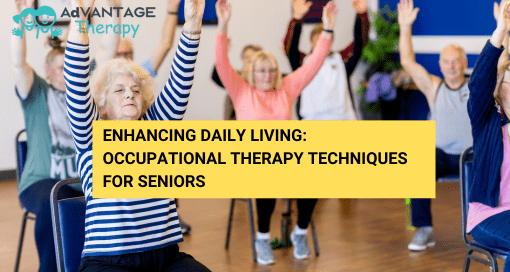
Occupational Therapy helps older adults maintain independence by improving strength, mobility, cognitive function, and the ability to perform daily tasks safely. It focuses on practical support like dressing, cooking, and home safety. Early Occupational Therapy can reduce fall risk, improve confidence, and support ageing at home.
As your loved one gets older, everyday tasks can become harder. You might notice difficulty with dressing, cooking, memory, or balance. The goal is not just to manage these changes, but to help seniors stay independent and continue living safely and comfortably.
What does Occupational Therapy for elderly people actually involve?
Occupational Therapy for elderly people focuses on helping them perform daily activities, also known as “occupations,” safely and independently.
This includes support with:
- Personal care like dressing, bathing, and grooming
- Household tasks like cooking and cleaning
- Mobility and transferring safely
- Memory and cognitive tasks
- Social participation and routine building
Occupational Therapy is not just about exercises. It is about making daily life easier, safer, and more meaningful.
According to World Health Organization, maintaining functional ability is key to healthy ageing, and therapy plays an important role in supporting independence and quality of life.
Why do seniors need Occupational Therapy?
Ageing brings natural changes in strength, coordination, memory, and balance. These changes can affect how safely and independently someone can live.
Common reasons seniors benefit from Occupational Therapy include:
- Increased risk of falls
- Difficulty managing daily routines
- Reduced hand strength or mobility
- Memory or cognitive decline
- Recovery after illness, injury, or surgery
Without support, these challenges can lead to loss of independence and increased reliance on others.
Occupational Therapy focuses on maintaining abilities rather than waiting for them to decline further.
How does Occupational Therapy help seniors stay independent?
Occupational Therapy supports independence by breaking down daily activities and improving the skills needed to perform them.
A therapist may help by:
- Strengthening muscles used in daily tasks
- Teaching safer ways to move and transfer
- Recommending assistive devices
- Adapting the home environment
- Building structured routines
The goal is simple: help seniors do as much as possible on their own, safely.
This approach aligns with how Occupational Therapy services focus on functional, real-life outcomes rather than isolated exercises.
What types of conditions can Occupational Therapy support in elderly people?
Occupational Therapy is helpful for a wide range of conditions affecting older adults, including:
- Arthritis and joint pain
- Stroke recovery
- Parkinson’s disease
- Dementia and memory decline
- Balance and mobility issues
- Post-surgery recovery
Each therapy plan is tailored based on the individual’s needs, environment, and goals.
How does Occupational Therapy reduce fall risk?
Falls are one of the biggest concerns for older adults.
Occupational Therapy reduces fall risk by:
- Improving balance and coordination
- Strengthening lower body muscles
- Identifying hazards in the home
- Recommending safety modifications like grab rails
- Teaching safe movement techniques
Even small changes in the home or daily routine can significantly reduce the risk of injury.
Can Occupational Therapy help with memory and cognitive decline?
Yes, and this is often overlooked.
Occupational Therapy helps seniors manage cognitive challenges by:
- Creating structured daily routines
- Using memory aids and visual cues
- Simplifying tasks into manageable steps
- Supporting engagement in meaningful activities
For individuals with dementia, therapy focuses on maintaining independence for as long as possible while reducing frustration and confusion.
What does a typical Occupational Therapy session look like?
Sessions are practical and tailored to real-life situations.
A therapist may:
- Observe how daily tasks are performed
- Identify challenges and risks
- Introduce strategies to improve safety and efficiency
- Practise tasks in a supportive environment
- Provide guidance for family or caregivers
Therapy can take place at home, in a clinic, or through community settings depending on the individual’s needs.
How does Occupational Therapy support emotional wellbeing in seniors?
Loss of independence can impact confidence and mental health.
Occupational Therapy supports emotional wellbeing by:
- Encouraging participation in meaningful activities
- Building confidence through achievable goals
- Supporting social interaction
- Reducing frustration linked to daily challenges
Mental health and physical ability are closely connected. Improving one often supports the other.
This is similar to how Occupational Therapy supports emotional regulation and participation across different age groups.
When should you consider Occupational Therapy for an elderly family member?
You should consider Occupational Therapy if you notice:
- Difficulty with everyday tasks
- Increased falls or fear of falling
- Changes in memory or thinking
- Reduced confidence or independence
- Recovery after illness or hospitalisation
Early support can prevent further decline and improve overall quality of life.
Where can families access Occupational Therapy support?
Advantage Therapy provides Occupational Therapy services designed to support individuals in improving daily function and independence. While many services focus on children and families across Norwest, The Hills Shire Council, and the wider Hills District, the same functional approach of Occupational Therapy can support people across different life stages.
For individuals also experiencing communication challenges, Speech Therapy may be beneficial alongside Occupational Therapy to support overall participation.
How can families support therapy outcomes at home?
Family support plays a key role in success.
You can help by:
- Encouraging independence rather than doing tasks for them
- Keeping routines consistent
- Making recommended home modifications
- Supporting practice of therapy strategies
Small, consistent efforts at home lead to better long-term outcomes.
What should you do next?
If an elderly family member is struggling with daily tasks, safety, or independence, Occupational Therapy can help.
The focus is not just on ageing, but on living well while ageing. With the right support, seniors can maintain independence, confidence, and quality of life for longer.
Starting early makes a difference.